


Introduction
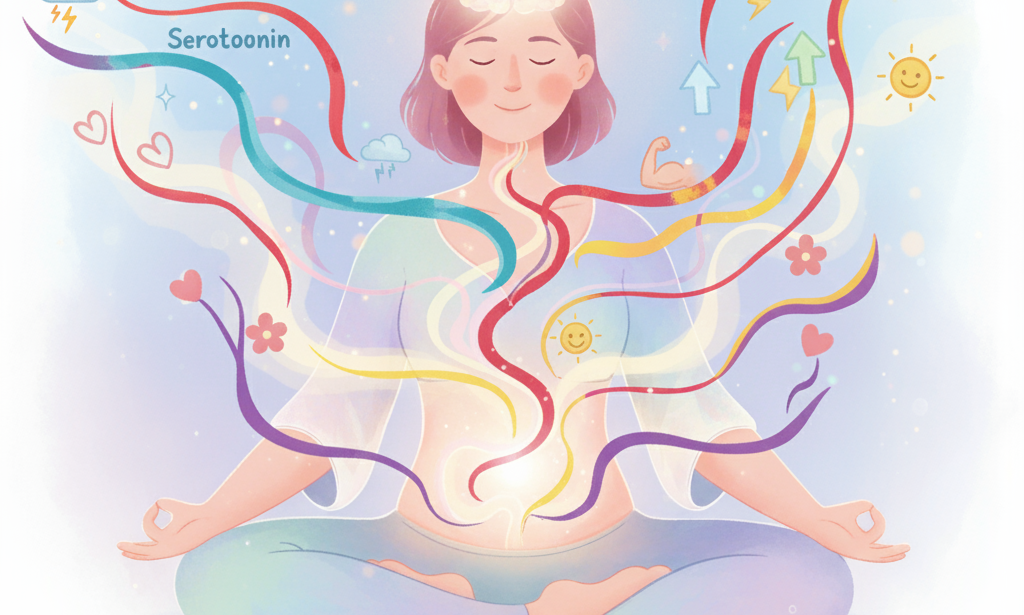
Hormones are the body’s chemical messengers, silently influencing everything from sleep to decision-making. When these messengers are in balance, life feels manageable, emotions are stable, and behavior is predictable. But when hormonal imbalance occurs, it can trigger emotional chaos, affecting your psychological health and overall well-being.
Cortisol: The Stress Hormone
Cortisol is released in response to stress, preparing the body for “fight or flight.” Short-term cortisol spikes can improve focus and energy. However, chronic stress keeps cortisol levels high, leading to anxiety, irritability, and even depression. Psychologically, elevated cortisol can reduce emotional resilience, making small challenges feel overwhelming. Stress management techniques like meditation, regular exercise, and proper sleep are essential to restore balance.
Serotonin: The Mood Stabilizer
Serotonin plays a critical role in regulating mood, appetite, and sleep. Low serotonin levels are linked to depression, anxiety, and emotional instability. A balanced diet rich in tryptophan, exposure to sunlight, and activities that promote mental well-being, like gratitude exercises or therapy, can naturally boost serotonin. Psychologically, stable serotonin levels enhance emotional regulation and resilience, allowing you to handle stress more effectively.
Estrogen and Testosterone: Emotional Influencers
Estrogen and testosterone aren’t just sex hormones; they shape cognition, mood, and social behavior. In women, fluctuating estrogen can contribute to mood swings, irritability, or emotional sensitivity, especially during menstrual cycles or menopause. Testosterone influences confidence, assertiveness, and risk-taking behaviors in both men and women. Imbalances in these hormones may lead to emotional instability, reduced motivation, or altered social interactions. Understanding these links helps in addressing behavioral patterns from a psychological perspective.
Connecting Biology and Psychology
Hormonal imbalances bridge biology and psychology. Emotional reactions are rarely “just in your head” they often reflect underlying chemical changes. Recognizing these connections empowers you to take action, whether through lifestyle adjustments, therapy, or medical support. This understanding fosters self-compassion, helping you interpret mood swings not as personal flaws but as biological signals.
Conclusion
Hormones silently ocontrols your emotions, behavior, and mental resilience. Cortisol, serotonin, estrogen, and testosterone each play a role in how you feel, think, and interact with the world. By understanding and addressing hormonal imbalances, you can reduce emotional chaos and improve both psychological and physical well-being. The mind and body are deeply intertwined honoring this connection is the key to emotional harmony.

You must be logged in to post a comment.