


Introduction
We often see stories about adorable pets or majestic wildlife—but rarely about the suffering that happens behind the scenes. From factory farms to urban strays and wildlife-tourism abuses, animal cruelty stays hidden until it catches fire online. And when it does, the shock leaves a mark.
Why Animal Rights Matter
Rights for animals are more than a trend or charity topic—they’re a growing social movement. Advocates argue that animals deserve respect simply because they live, feel, and suffer.
When societies deny this, cruelty becomes normalized, whether in pet-ownership, food production or entertainment.
Where Cruelty Happens (and How)
- Food & farm animals: In many developing regions, livestock and poultry suffer poor housing, long transports, and painful slaughter methods.
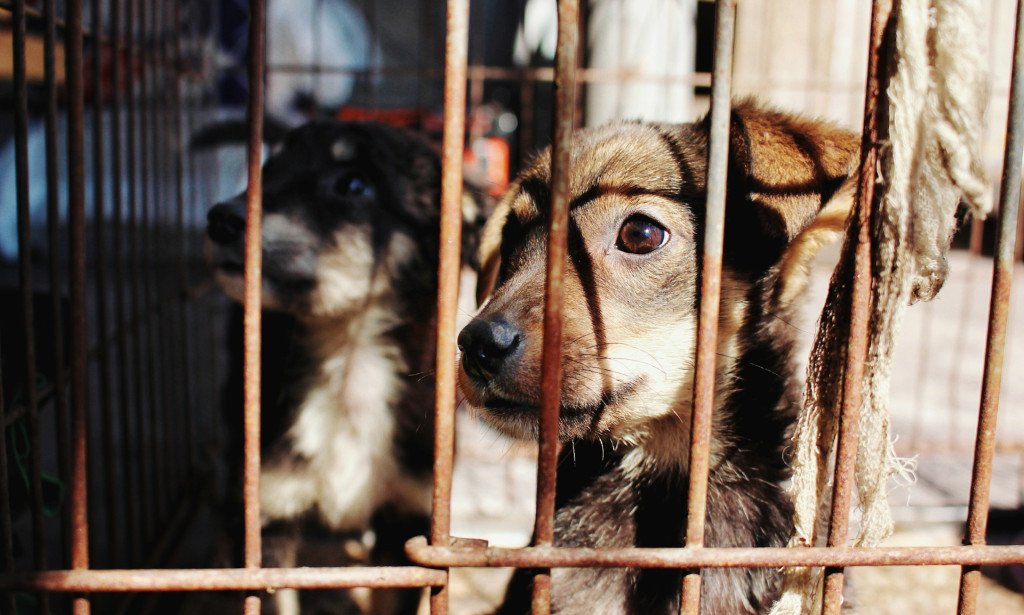
- Companion animals & strays: Urban areas underserved by resources often leave stray dogs and cats at risk of starvation, accidents and abandonment. And pet cruelty also persists.
- Wildlife & entertainment: Animals used for tourism, shows or captive display may endure stress, unnatural habitats and even violence.
Trends & Legal Progress
The pulse is shifting. Laws are evolving: more countries now recognise animals as sentient beings and are expanding protections.
Public awareness is rising too. Media coverage is improving responses to cruelty, especially in regions like Pakistan where print, radio and social media influence public understanding.
Why It Should Matter to You
- Ethical consumerism: Studies show that higher animal-welfare standards often mean higher prices, because consumers value ethical production.
- Community health: Neglected animals can contribute to disease, accidents and stray-population issues.
- Global reputation: Nations and industries that ignore animal welfare may face public-relations risks and economic consequences (tourism, trade).
What You Can Do (Professional & Personal)
- If you’re in business: Audit supply chains for animal-welfare standards. Explore alternatives (plant-based, cruelty-free products).
- If you’re in marketing/design/media: Use your platform to highlight stories of rescue, reform and positive change—visual storytelling shifts mindset.
- As an individual: Support shelters/NGOs, adopt responsibly, avoid entertainment that exploits animals, check labels for cruelty-free.
Conclusion
Animal cruelty is not just “somewhere else.” It touches farms, homes, tourism and supply chains. As awareness rises and laws evolve, we’re entering a moment where recognising animal rights is both ethical and practical.
Change won’t be loud—but it’s growing. The question isn’t if we’ll care, but how fast we’ll act.

You must be logged in to post a comment.