


The Psychological Price of Staying Online 24/7
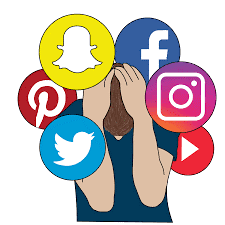
We live in a world where being offline feels like disappearing and missing out things. From continuous and endless scrolling on Instagram, Facebook and TikTok to late-night tweets on Twitter, our minds don’t rest even for a minute. Multiple Notifications popping up on phone their buzz and sounds are like mini heart attacks. Every “seen” message comes with guilt. And even when we’re not online, our brain still is replaying reels, conversations, and comments like never-ending chain.
But here’s the catch: This constant connection has a hidden cost. It’s draining your energy weakening, mental health and reshaping your perception, thoughts and emotions, indirectly lowering your self-esteem and increasing social comparison.
Gen Z is getting affected by it more: Being fully active and paying Psychological price of staying online 24/7
1. Dopamine Overload: Your Brain’s Reward System is Overheating
Every notification, like, or heart emoji gives your brain a small dopamine hit — the “feel good” chemical.
But when you get hundreds of hits daily, your brain stops valuing them.
It’s like eating sugar all day — the sweetness fades, and addiction begins.
What’s the Result:
- Shorter attention spans
- Difficulty focusing on real-life goals
- Constant need for validation
2. The Anxiety Loop: Always Available, Never at Peace
That moment you don’t reply instantly, your brain whispers, “they’ll think I’m ignoring them.”
Or when you post and get fewer likes, your mood drops.
Social media has replaced silence with social pressure.
We’re “on call” 24/7, even in bed.
No wonder anxiety rates among Gen Z are skyrocketing.
What’s the Result:
- Restless nights
- Fear of missing out (FOMO)
- Emotional burnout
3. The Illusion of Connection: Surrounded Yet Lonely
You can have 5,000 followers and still feel unseen.
Likes ≠ love.
Comments ≠ connection.
The internet gives us endless contact but very little closeness.
Real friendships require pauses, presence, and patience — all things tech constantly disrupts.
What’s the Result:
- Loneliness in hyper-connectivity
- Shallow relationships
- Emotional numbness
4. The Burnout Cycle: Your Mind Isn’t Built for Constant Input
Your brain processes around 74 GB of data a day — the equivalent of watching 16 movies daily.
No wonder you feel mentally exhausted even when you “did nothing.”
Constant scrolling doesn’t rest your mind — it overstimulates it.
And overstimulation kills creativity, peace, and spiritual focus.
What’s the Result:
- Cognitive fatigue
- Decision paralysis
- Lack of motivation
5. How to Break Free (Without Deleting Everything)
You don’t have to go “off-grid.”
You just have to reclaim your mental space.
“Digital detox rules that actually work”
We just have to do these things:
- Turn off notifications for at least 3 hours a day
- No screen time for almost one hour before sleep
- Have one real conversation daily, without distraction
It is because True peace isn’t found in your phone but in the calm of your mind and true connection.
Because sometimes, the most revolutionary thing you can do… is put your phone down.

You must be logged in to post a comment.