


*The Vital Role of Vitamin B12: Unlocking its Numerous Benefits*
Vitamin B12 is also known as cobalamin which is a water-soluble vitamin that has a crucial role in different body functions. Despite its importance, vitamin B12 deficiency is very common that affects people of all ages. In this article, we'll explore the benefits of vitamin B12 and why it's necessary for maintaining health.
*What is Vitamin B12?*
Vitamin B12 is a complex molecule that contains cobalt, an important mineral. It is found mainly in animal-based foods, such as meat, fish, poultry, eggs, and dairy products. Vitamin B12 is essential for the production of RBCs, nerve function, DNA synthesis, and energy metabolism.
*Benefits of Vitamin B12*
- *Boosts Energy Levels*: Vitamin B12 plays a vital role in converting food into energy. It helps breaking down carbohydrates, fats, and proteins into energy which body utilizes. Deficiency in vitamin B12 can cause fatigue, weakness, and shortness of breath.
- *Supports Nervous System Functions*: Vitamin B12 is essential for maintaining healthy nerve cells and synthesizing myelin, the fatty substance that surrounds and protects nerve fibers. Enough vitamin B12 levels can help prevent nerve damage, numbness, and tingling sensations in hands and feet.
- *Promotes Healthy Red Blood Cells*: Vitamin B12 is necessary for the production of red blood cells, which carries oxygen in body. A deficiency can lead to anemia, characterized by fatigue, weakness, and pale skin.
- *Supports Cognitive Function*: Vitamin B12 has been connected to cognitive health, with studies suggesting that adequate levels may prevent dementia. It plays a vital role in synthesizing neurotransmitters like serotonin and dopamine, which regulate mood and emotions.
- *May Help Prevent Birth Defects*: Adequate amount of vitamin B12 levels are crucial during pregnancy, as they help prevent birth defects, such as neural tube defects. Folate (vitamin B9) and vitamin B12 work together to support fetal development and reduce pregnancy complications.
- *Supports Heart Health*: Vitamin B12 helps regulate homocysteine levels in the blood. Elevated homocysteine levels are associated with increased risk of heart disease, stroke, and other cardiovascular conditions. Adequate amount of vitamin B12 can help in maintaining healthy homocysteine levels, supporting heart health.
- *May Improve Mood and Reduce Depression*: Vitamin B12 plays a role in releasing neurotransmitters that regulate mood, such as serotonin and dopamine, also called happy hormone. Some studies also suggest that vitamin B12 supplements may help alleviate symptoms of depression, particularly in individuals with deficiency.
*Who's at Risk of Vitamin B12 Deficiency?*
- Vegetarians and vegans: Vitamin B12 is found mostly in animal-based foods, making it challenging for those following plant-based diets to get enough.
- Older adults: Age-related decline in stomach acid production can also reduce vitamin B12 absorption.
- People with gastrointestinal disorders: Conditions like celiac disease, Crohn's disease, or gastric bypass surgery can affect vitamin B12 absorption in body.
- Individuals taking certain medications: Long-term use of medications like proton pump inhibitors or metformin can interfere with vitamin B12 absorption.
*Food Sources and Supplementation*
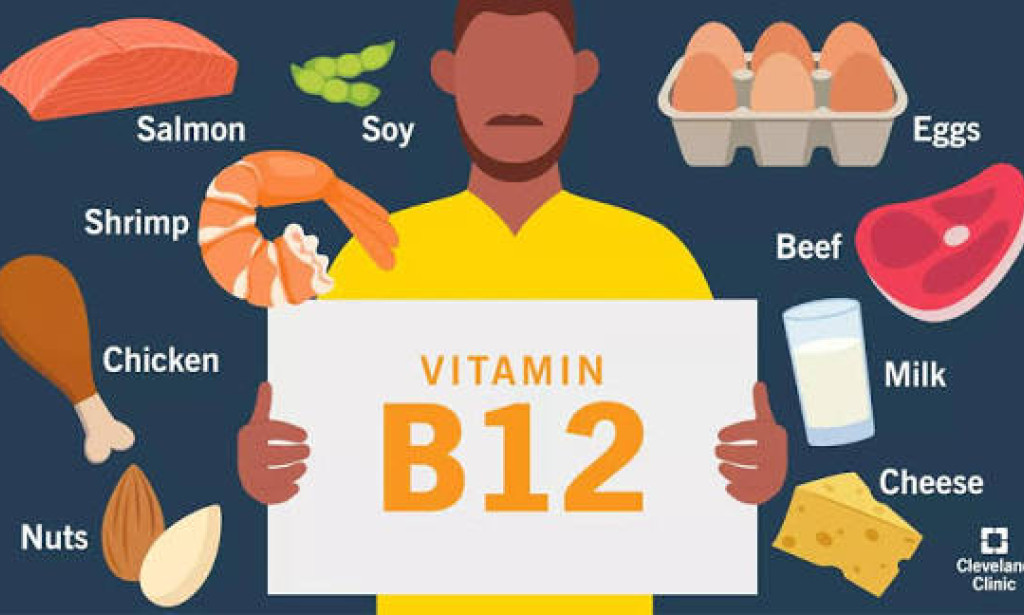
Include these vitamin B12-rich foods in your diet:
- Fish (salmon, tuna, trout)
- Meat (beef, chicken, turkey)
- Eggs
- Dairy products (milk, cheese, yogurt)
- Fortified plant-based milk and cereals
If you're at risk of deficiency or experiencing symptoms, consult a healthcare professional about testing and supplementation. Vitamin B12 supplements are available in various forms, including oral tablets, sublingual tablets, and injections.
*Conclusion*
Vitamin B12 is a crucial nutrient that plays an important role in energy production, nervous system function, red blood cell formation, and cognitive health. While deficiency is common worldwide, incorporating vitamin B12-rich foods into your diet and analyzing potential risk factors can help maintain optimal levels. If you're concerned about your vitamin B12 levels, consult with a healthcare professional for personalized advice.

You must be logged in to post a comment.