



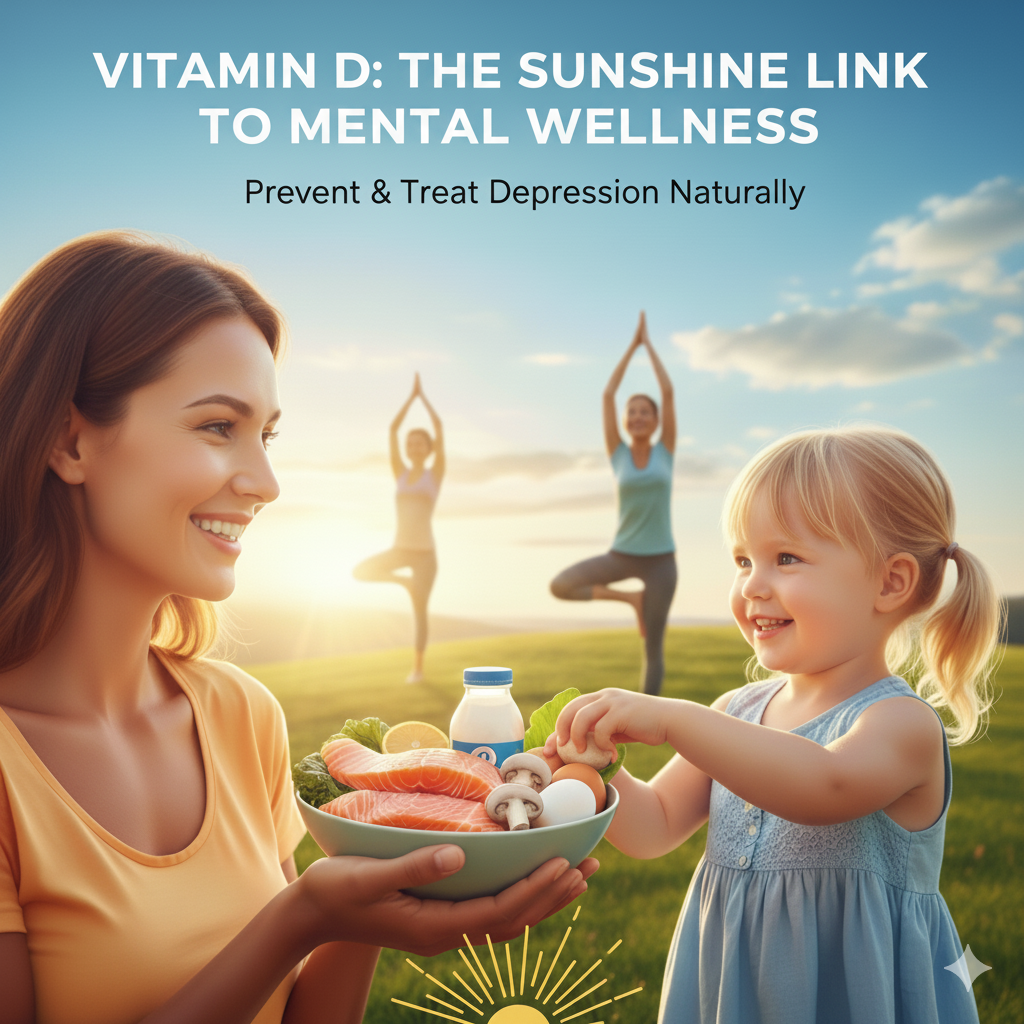
Introduction
Depression is often linked to stress, trauma, or psychological factors but nutrient deficiencies can also silently play a powerful role. One of the most overlooked yet highly common deficiencies tied to mood disorders is Vitamin D deficiency. This article explains how low Vitamin D affects brain chemistry, leads to depression-like symptoms, and what you can do to improve your mental well-being naturally.
1. What is Vitamin D and Why Does the Brain Need It?
Vitamin D, known as the “sunshine vitamin”, supports the immune system, bone health, and hormone regulation. What many people don’t know is that the brain has Vitamin D receptors, meaning it directly affects mood regulation, brain development, and cognitive functioning.
2. How Vitamin D Deficiency Affects Mood and Mental Health
Vitamin D plays a major role in producing serotonin and dopamine, the neurotransmitters that regulate happiness, motivation, and emotional balance. Low levels of Vitamin D have been linked to:
Increased risk of depression and anxiety
Low energy and fatigue
Irritation and mood swings
Brain fog and difficulty focusing
Studies show individuals with low Vitamin D levels are more likely to experience depressive symptoms, especially during winter when sunlight is limited.
3. Common Symptoms of Vitamin D Deficiency
Symptoms can appear gradually, making the deficiency easy to ignore:
Constant tiredness or lack of motivation
Sadness, low mood, or unexplained depression
Weakened immunity and frequent illness
Muscle pain or bone weakness
Difficulty concentrating
If these symptoms persist, a deficiency could be affecting your mental and physical health.
4. How to Get Tested
A simple blood test called “25(OH)D” (25-hydroxy Vitamin D) measures Vitamin D levels. It can be requested from any laboratory or healthcare provider.
Healthy Levels: 30–50 ng/mL
Deficient: Below 20 ng/mL
5. Ways to Improve Vitamin D Levels Naturally
✅ Sunlight Exposure
Spend 15–20 minutes in sunlight, 3–4 times a week.
✅ Dietary Sources
Eggs
Fortified milk and cereals
Fatty fish (salmon, tuna, sardines)
✅ Supplements
If levels are low, supplements may be recommended by a doctor. Avoid self-medication as overdosing can also cause harm.
6. Vitamin D Isn’t Alone — Other Deficiencies Also Affect Mood
Vitamin D deficiency isn’t the only nutritional factor linked to depression. Vitamin B12, iron, and magnesium deficiencies also contribute to low mood and anxiety. (Internal link will be added once your next article is published)
Conclusion
Vitamin D deficiency is a silent but powerful contributor to depression. The good news is that it’s preventable and treatable through sunlight exposure, a balanced diet, and proper supplementation. Taking care of your Vitamin D levels is a simple yet impactful step toward better mental and emotional health

You must be logged in to post a comment.