



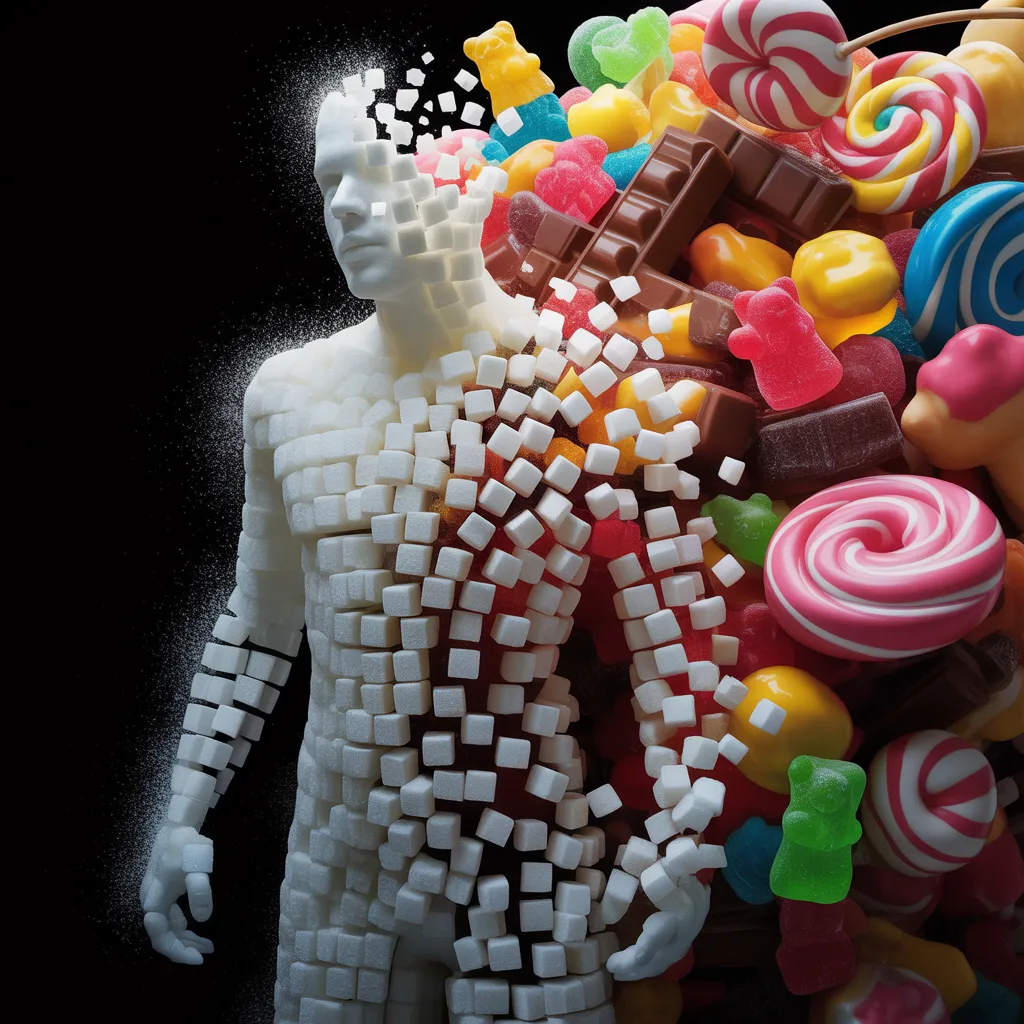
You Think You’re Eating Sugar — But What If Sugar’s Eating You?
Introduction
We all consume sugar as a daily part of our lives; without it, we feel as though something is missing or incomplete. But have you ever thought about what if it’s not you who is consuming sugar, but sugar is consuming you in multiple ways? Sugar is no longer a treat; it’s a trap. Sugar is responsible for controlling your cravings by silently changing your brain chemistry. Sugar has woven deeply into our lifestyle so that our body mistakenly takes it as an addiction. This article delves deeply into the real effects of sugar on health, supported by scientific evidence and medical insights. This article reveals how something so small can reshape the way you feel, think and live.
The Hidden Sugar Epidemic
Sugar is one of the most consumed substances in modern diets. According to the World Health Organisation (WHO), the average adult should consume no more than 25 grams of added sugar per day, but most of us exceed that amount by three to four times.
Sugar is everywhere. Hides under names like dextrose, maltose, corn syrup, or sucrose in your bread, ketchup, salad dressings, and even your healthy smoothies.
Sugar doesn’t taste good, it keeps you addicted, it’s keeping you coming back. In fact, research from Harvard Health Publishing confirms that sugar activates the same reward centres in the brain as cocaine or nicotine.
The Deep Effects of Sugar on Health
Let’s dive deeper into how sugar impacts our bodies, not just physically, but mentally and emotionally.
1. Metabolic Mayhem: How Sugar Hijacks Your Body
Let me explain to you in simple words how sugar affects you. When you intake sugar, your blood glucose levels spike, then your pancreas rushes to release more insulin, so that these hormones are responsible for balancing that spike. But constant sugar intake forces your body into insulin resistance, which is a condition that can lead to type 2 diabetes, obesity and metabolic syndrome.
2. Your Heart Doesn’t Like Sweet Lies
By consuming high amounts of sugar, your triglyceride levels rise, and this causes lower levels of good cholesterol (HDL), which leads to inflammation in blood vessels.
The Journal of the American Medical Association (JAMA) found that people who get 17–21% of their calories from added sugar face a 38% higher risk of dying from heart disease.
Intaking sugar does not just lead you to obesity, it leads you to a life full of problems. Sugar can directly affect your cardiovascular system, potentially increasing your long-term health risk.
3. Sugar and the Brain: Addiction in Disguise
According to Neurologists, sugar is a psychoactive substance that alters brain chemistry. Constantly consuming sugar causes dopamine surges, the same chemical which is responsible for pleasure and reward. As time passes, your brain needs more and more to feel the same high.
MRI scans from the National Institute on Drug Abuse (NIDA) show that those who consume heavy sugar have reduced dopamine receptor sensitivity, mimicking the patterns seen in drug addiction.
This is why you often crave dessert after every meal. It’s your brain that urges you for that reward chemical.
4. The Emotional Rollercoaster
Are you aware of mood swings, irritability, or anxiety after skipping a sugary snack?
It’s not a coincidence; it’s a withdrawal.
Intaking high sugar destabilises blood glucose and serotonin levels, both of which play a vital role in balancing emotions.
In a British Journal of Psychiatry study, participants with high-sugar diets were 23% more likely to experience symptoms of depression.
The connection between diet and mental health is undeniable, but the thing which links them together is sugar.
5. The Weight of Hidden Calories
Sugar doesn’t just make you fat; it also facilitates the storage of fat in your body more quickly. Unlike natural carbs, refined sugars provide empty calories with no fibre, vitamins, or minerals.
Your liver converts the excess glucose into fat (triglycerides), which accumulates around the abdomen. This “visceral fat” is linked to heart disease, fatty liver, and even hormonal imbalances.
Breaking Free: Reclaiming Control from Sugar
The good news is you can reset your body and your brain by gradually reducing sugar and retraining your taste buds.
Here’s what experts recommend:
Read labels carefully. Watch for hidden sugars, such as fructose, corn syrup, or maltodextrin.
Choose whole foods. Replace sugary snacks with fruits, nuts, or yoghurt.
Hydrate often. Dehydration often feels like a craving for sugar.
Sleep better. Poor sleep increases the hormone ghrelin, which drives sugar hunger.
Use natural sweeteners. Try honey, stevia, or jaggery in moderation.
Within 7–14 days of reducing sugar, many people report improved focus, stable energy, and better mood, proving that your body naturally heals when you stop feeding the addiction.
Final Thoughts
Sugar is not evil, but overconsumption is. It’s not about cutting sweets out of your life; it’s about controlling them. The next time you crave sugar, pause and ask, “Am I choosing this, or is sugar choosing me?”
Awareness is the first step to freedom. And once you take a step, you’ll realise that the sweetest thing which you can give your body is balance.

You must be logged in to post a comment.